Skipping breakfast feels harmless — even productive. You save 15 minutes, maybe a few calories. But your body is keeping a quiet ledger, and it always collects by 4pm.
The first 4 hours after skipping
Cortisol, already naturally high in the morning, doesn't get its expected drop. Blood sugar dips further. Your brain switches into low-power mode — you're more irritable, slower to make decisions, and the coffee you reach for makes the cortisol problem worse.
The 11am crash
Without food, your liver starts breaking down stored glycogen. When that runs out, it dips into muscle protein for fuel. Hello headache, hello brain fog, hello uncontrollable urge to eat a vada pav.
The compensation effect at lunch
Multiple studies show breakfast skippers eat ~250 more calories at lunch and pick higher-fat, higher-sugar options. The 'calories saved' math almost never works out.
Long-term costs
- Higher risk of type 2 diabetes (up to 21% in one meta-analysis)
- Increased LDL cholesterol over time
- Lower lean muscle mass — your body literally eats itself for fuel
- Disrupted hunger hormones (leptin, ghrelin) leading to weekend binges
Who can safely skip?
If you follow a structured intermittent fasting protocol (16:8, OMAD) and you're hitting your daily protein and micronutrient targets — fine. But 'I forgot to eat' is not intermittent fasting, it's malnutrition with a fashionable name.
Try it tomorrow
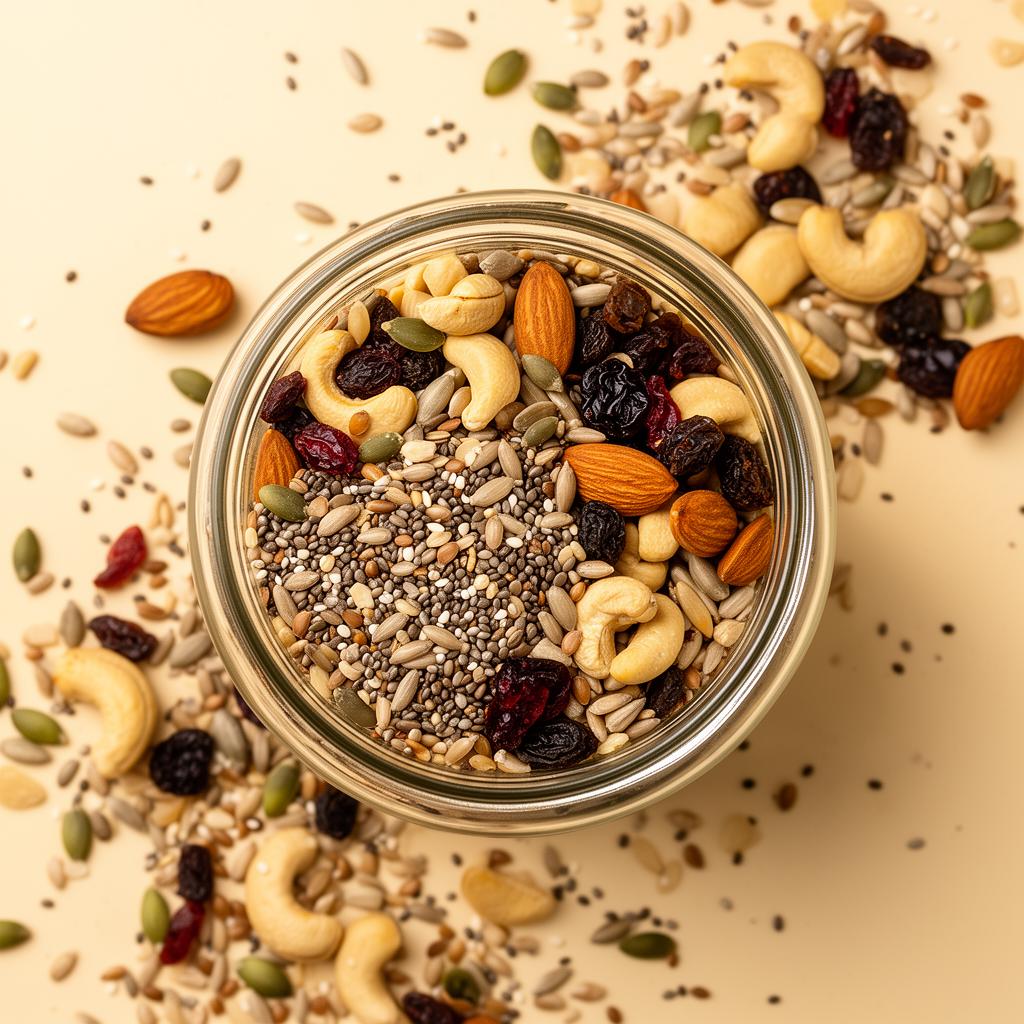
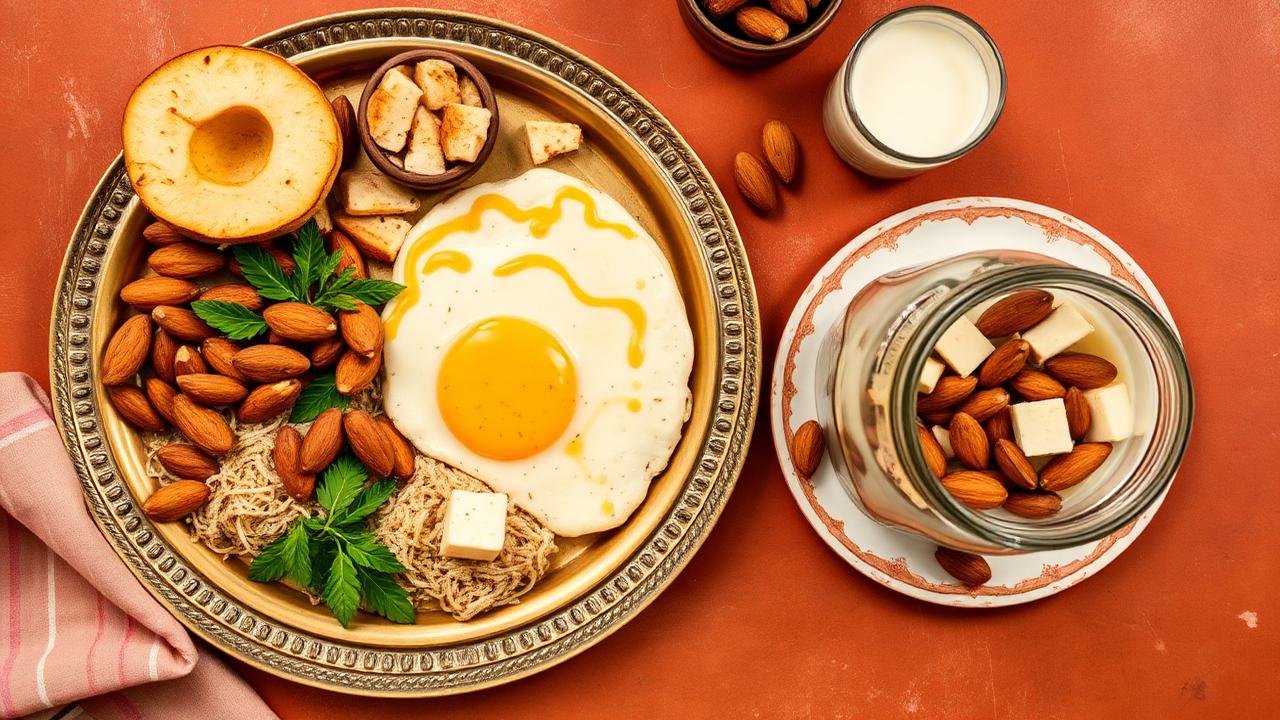
Pour. Sleep. Slay breakfast.
Four flavours, twelve grams of protein, zero cooking. Built for the brave & the busy.
Shop the jars →